Source Biodegradable Boba Straws for Restaurants, Cafes, and Parties
Find 30 Biodegradable Boba Straws made from PLA, PHA, and bamboo. Compare eco-friendly, compostable options in various sizes and colors for home, bar, and milk tea store applications.
Key considerations
Products List

PLA Disposable Straw 5 mm Diameter Biodegradable Drinking PLA Boba Straws
$0.07 - $0.08
MOQ: 20000 Pieces


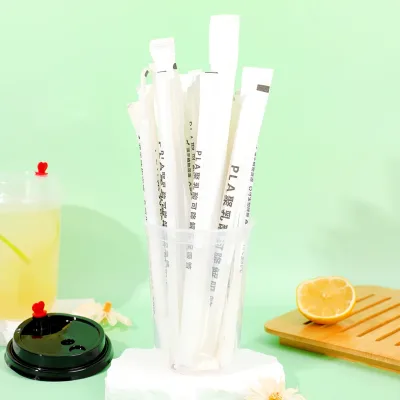

Custom Biodegradable Disposable Pha Straws Compost Boba Bubble Tea Straw
$0.00 - $0.00
MOQ: 100 Pieces


Wholesale Drinking Straws Party Disposable Straws Biodegradable Bamboo Straws
$0.00 - $0.04
MOQ: 10000 Pieces

Biodegradable Straws Bamboo Straws Disposable Straws for Hot & Cold Drinks
$0.00 - $0.04
MOQ: 10000 Pieces


Custom Colorful Wide Individually Wrapped Disposable Boba Drinking Plastic Straws
$0.01 - $0.02
MOQ: 5000 Pieces


Disposable Individually Wrapped Plastic Boba Bubble Tea Drinking Straws
$0.01 - $0.01
MOQ: 50000 Pieces


Hot Selling Paper Drinking Straws Disposable Paper Straw Colorful Straw
$0.02 - $0.15
MOQ: 50000 Pieces


Comprehensive Sourcing Guide
Biodegradable Boba Straws Sourcing Guide
Sourcing Biodegradable Boba Straws requires a nuanced understanding of material science, supply chain transparency, and regulatory compliance. Unlike traditional plastic alternatives, these products must balance structural integrity for thick beverages with genuine environmental end-of-life profiles. Buyers must navigate a market where terminology such as "biodegradable," "compostable," and "bio-based" are often used interchangeably but carry distinct legal and technical implications. This guide provides a structured approach to evaluating suppliers, verifying technical claims, and establishing commercial terms that protect brand integrity while meeting sustainability goals.
The procurement process for these items is heavily influenced by regional regulations and consumer expectations regarding waste management. Sourcing decisions should not be driven solely by unit cost but by the total cost of ownership, including compliance risks, packaging efficiency, and supplier reliability. By focusing on verified material compositions and documented testing standards, buyers can mitigate the risk of greenwashing and ensure that the products delivered align with corporate sustainability commitments and local disposal infrastructure.
Product Scope and Observed Listing Signals
The current market landscape for Biodegradable Boba Straws reveals a diverse array of material compositions, primarily centered around Polylactic Acid (PLA), Polyhydroxyalkanoates (PHA), and bamboo. Observed listings indicate that PLA remains a prevalent option, often marketed for its clarity and rigidity, while PHA is highlighted for its superior compostability in marine and soil environments. Bamboo-based options are also present, offering a natural aesthetic but requiring careful verification of binding agents and processing methods to ensure they meet strict biodegradability criteria. Buyers should expect to encounter products labeled with specific model numbers such as QH-ST-5 or NHB-PLA straw-01, which often correspond to distinct material blends or manufacturing processes.
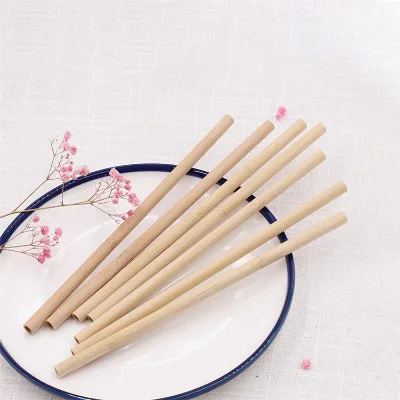
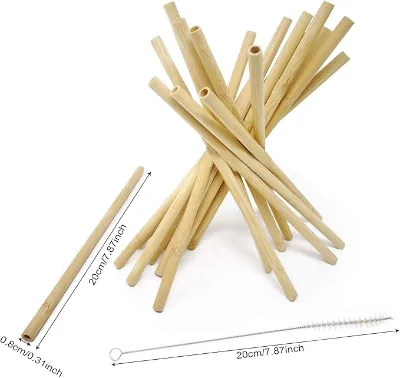
Visual and physical attributes observed in listings suggest a wide variety of customization options, including colors ranging from natural and white to black and striped patterns. The standard shape is tubular, with dimensions typically accommodating the viscosity of bubble tea, often featuring diameters of 6, 8, 10, or 12 mm and lengths around 190 to 210 mm. Some suppliers offer folded or unfolded variants, though the majority of observed products are supplied in an unfolded state to maintain structural integrity during shipping. The presence of customization services, including logo printing and tailored packaging, indicates that many manufacturers operate as OEM/ODM partners, allowing brands to integrate these straws into their broader packaging ecosystem.
Technical Specifications to Verify
Material composition is the most critical technical specification to verify, as it directly impacts the product’s performance and environmental claims. Buyers must confirm whether the straw is made from pure PLA, a PLA blend, PHA, or bamboo, and request Material Safety Data Sheets (MSDS) or technical datasheets that detail the polymer structure. For PLA and PHA products, it is essential to verify the degree of crystallinity and thermal stability, as these factors determine whether the straw will soften or melt when exposed to hot beverages. The observed temperature resistance range of -10 to 50 degrees Celsius suggests that some products may not be suitable for hot drinks, necessitating clear labeling and internal quality checks to prevent customer dissatisfaction.
Dimensional accuracy and packaging specifications are equally important for operational efficiency. Standard sizes observed include 6x210mm, 8x200mm, and variations in length up to 60cm for specialized applications. Buyers should verify the packing density, as observed configurations range from 3,000 to 5,000 pieces per carton, which directly affects shipping costs and warehouse storage requirements. Additionally, the folded versus unfolded state of the straw impacts the volume per carton; unfolded straws typically require more space but offer greater durability. Confirming these specifications with the supplier ensures that the product fits existing filling machinery and packaging lines without requiring costly adjustments.
Compliance and Safety Documentation
Regulatory compliance is a non-negotiable aspect of sourcing biodegradable straws, particularly when targeting markets with strict environmental regulations. Certifications such as EU, LFGB, and CE are frequently cited in listings, indicating that the products meet specific food contact safety and environmental standards. However, buyers must distinguish between general safety certifications and specific biodegradability certifications, such as EN 13432 or FSC, which validate the product’s ability to break down under industrial composting conditions or its sustainable sourcing origins. Relying solely on supplier claims without documented proof can lead to regulatory penalties and reputational damage.
Food safety compliance is paramount, as straws come into direct contact with consumables. Buyers should request migration test results to ensure that no harmful substances leach into beverages, especially when the straws are used with acidic or hot drinks. The presence of LFGB certification, for instance, implies rigorous testing for substance migration, which is particularly relevant for the European market. Additionally, verifying that the manufacturing facility adheres to Good Manufacturing Practices (GMP) and holds relevant food safety management system certifications adds an extra layer of assurance regarding hygiene and product consistency.
Cost Drivers and Commercial Terms
The cost of Biodegradable Boba Straws is influenced by several factors, including raw material prices, production complexity, and order volume. Observed price ranges are relatively low, but this often correlates with high minimum order quantities (MOQs) that can range from 100,000 to 1,000,000 pieces. Buyers must evaluate the total landed cost, which includes shipping, tariffs, and handling fees, rather than focusing exclusively on the unit price. The MOQs observed in listings, such as 200,000 pieces, suggest that economies of scale play a significant role in pricing, and smaller orders may incur premium charges or be subject to negotiation.
Lead times and payment terms are critical components of the commercial agreement. Typical lead times range from 15 to 30 days, depending on the order quantity and customization requirements. Buyers should negotiate clear terms regarding sample availability, as many suppliers offer free samples to facilitate quality assessment before committing to large orders. Additionally, understanding the packaging structure, such as the number of pieces per carton and the overall carton dimensions, is essential for calculating freight costs. Clear communication regarding these commercial terms helps avoid unexpected expenses and ensures a smooth supply chain operation.
Supplier Qualification and Quality Control
Supplier qualification involves a thorough assessment of manufacturing capabilities, quality control processes, and ethical standards. Buyers should verify the supplier’s production capacity and facility location, with observed origins including Jiangsu Suzhou and Anhui, China, which are known for their manufacturing infrastructure. Requesting factory audits or third-party verification reports can provide insights into the supplier’s adherence to quality management systems and environmental practices. Suppliers that offer OEM/ODM services should demonstrate flexibility and responsiveness to custom design requests, ensuring that the final product meets specific brand requirements.
Quality control measures should be established at multiple stages of production, from raw material inspection to final packaging. Buyers should define clear acceptance criteria for defects, such as breakage, discoloration, or dimensional inaccuracies, and agree on acceptable quality limits (AQL) before production begins. Implementing pre-shipment inspections can help identify potential issues before the goods leave the factory, reducing the risk of receiving non-conforming products. Additionally, establishing a feedback loop with the supplier for continuous improvement ensures that any quality concerns are addressed promptly and effectively.
Long-Term Procurement Checks
Long-term procurement success depends on the ability to adapt to changing regulations, market trends, and sustainability expectations. Buyers should regularly review their suppliers’ compliance status, ensuring that certifications remain valid and that the products continue to meet evolving regulatory requirements. Monitoring advancements in biodegradable materials, such as new PHA formulations or improved PLA blends, can provide opportunities to enhance product performance and environmental impact. Engaging in ongoing dialogue with suppliers about innovation and sustainability initiatives can foster a collaborative relationship that drives continuous improvement.
Supply chain resilience is another critical factor for long-term procurement. Diversifying the supplier base and maintaining safety stock can mitigate risks associated with production delays or raw material shortages. Regularly assessing supplier performance based on key metrics such as on-time delivery, quality consistency, and responsiveness helps identify potential issues before they escalate. By maintaining a proactive approach to supplier management and staying informed about industry developments, buyers can ensure a stable and sustainable supply of Biodegradable Boba Straws that aligns with their brand values and customer expectations.
FAQs
What materials are used for Biodegradable Boba Straws?
Biodegradable Boba Straws are primarily made from PLA and PHA materials. Some options also utilize bamboo for a natural feel. These materials ensure the straws are eco-friendly and compostable for various applications.
Can I customize the size and color of these straws?
Yes, customization is available for size and color. You can select from dimensions like 6mm or 12mm diameter with lengths up to 23cm. Colors include black, white, natural, and various striped options to match your brand.
What is the minimum order quantity for these straws?
The minimum order quantity typically starts at 200,000 pieces. Some suppliers may negotiate this amount based on specific requirements. Standard packaging often contains 5,000 pieces per carton for efficient shipping.
How long does it take to produce these straws?
The leading time for production is generally between 15 to 30 days. This duration may vary depending on the total quantity ordered. Custom orders might require additional time to ensure quality standards are met.
Are these straws suitable for hot and cold beverages?
Yes, these straws resist temperatures between -10 to 50 degrees Celsius. They are designed for use in home, restaurant, and cafe settings. This temperature range ensures stability for both hot and cold drinks.
Which certifications do these biodegradable straws hold?
These straws hold certifications such as EU, LFGB, and CE standards. They are also noted as 100% compostable and biodegradable. These certifications verify their safety and environmental compliance for international markets.
Where are these biodegradable straws manufactured?
Manufacturing locations include Jiangsu Suzhou and Anhui in China. These regions are known for producing high-quality eco-friendly packaging materials. The origin ensures reliable supply chains for global buyers seeking sustainable solutions.